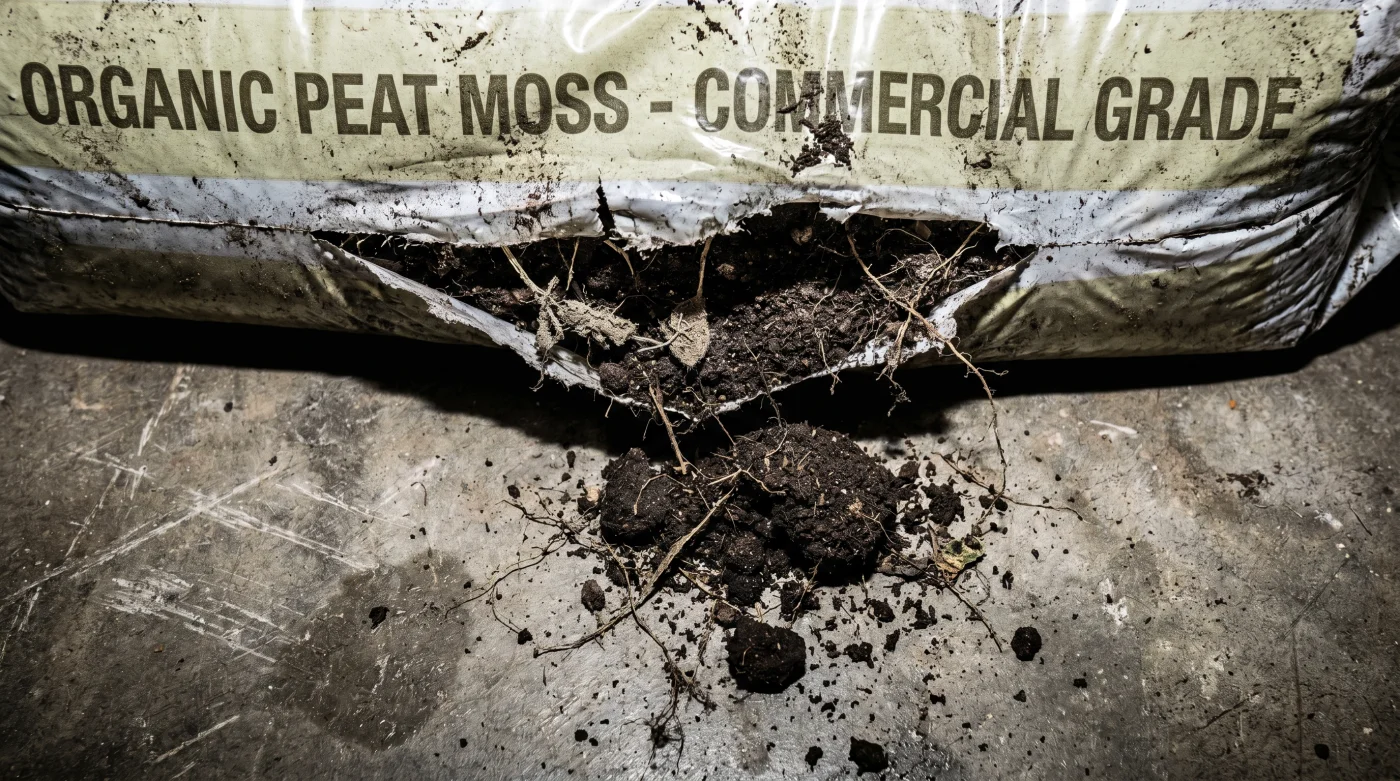
The air in early May carries that unmistakable, sharp scent of damp concrete and melting frost. You pull into the local garden centre, expecting the familiar sight of towering, shrink-wrapped pallets. But this year, the sprawling stacks of cheap brown bales are missing. Instead, handwritten signs flutter in the cold breeze, announcing strict purchasing limits and staggering price hikes on standard potting mixes.
You are witnessing the immediate fallout of a massive supply chain fracture. A sudden environmental mandate has clamped down on Canadian bog harvesting, virtually halving export volumes overnight. The ubiquitous bags of fluffy, moisture-retaining material that formed the backbone of your spring planting are abruptly being treated like a rare luxury good, leaving nursery aisles empty and local growers scrambling.
Commercial formulations are changing without warning on the packaging, replaced by heavier, pricier, or entirely unfamiliar textures. The reliable rhythms of mixing up seed trays on the back porch suddenly feel fragmented. You are left holding an empty trowel, staring at retail price tags that have leaped from twelve dollars to thirty-five, wondering how you are supposed to fill your pots this season.
Yet, this sudden friction is hiding a profound advantage. What seems like a frustrating barrier to your weekend gardening plans is actually forcing a long-overdue correction in how we treat the earth in our own backyards, shifting us away from a flawed dependency.
The Quiet Collapse of the Sterile Sponge
For decades, we treated dirt like an empty, disposable vessel. You dumped the brown dust into a plastic pot, pumped it full of synthetic blue liquids, and threw it all into the compost bin come October. Peat moss has been the fast food of gardening—cheap, filler-heavy, and ultimately lacking in complex biological nutrition. It holds water beautifully, but it is a completely sterile sponge.
The new Canadian mandates reflect a sobering reality: those northern bogs take thousands of years to form. Harvesting them releases trapped carbon and dismantles delicate hydrological systems. The new limits aren’t just bureaucratic interference; they are a hard stop on mining an ancient ecosystem to fill temporary window boxes. We have been draining history to grow summer petunias.
The sudden loss of this material requires a complete mechanical and mental pivot. Nurseries are now forced to use expensive alternatives like coconut coir, aged bark, and commercial leaf mould. Your favourite brand of potting soil might share the same colourful bag, but the recipe inside has entirely changed, requiring you to learn a new language of moisture and aeration.
A Lesson from the Fraser Valley
Consider the quiet adaptation happening at smaller, independent farms. Clara, a 54-year-old commercial greenhouse operator in the Fraser Valley, saw the writing on the wall three years ago. Her operation used to rely on dozens of imported bales every spring. When rumours of the incoming harvest restrictions surfaced, she didn’t panic; she viewed it as curing a systemic addiction to dead organic matter.
Clara transitioned her entire seedling operation to a fermented bark and coir blend, keeping her greenhouse at a steady 22 Celsius to encourage microbial growth. “We were paying for dead air,” Clara notes, running her calloused fingers through the dark, spongy mix. The moment she stopped relying on bogs, her tomatoes developed aggressive, resilient root systems. Watering became less about pouring liquid through a sieve and more about feeding a living organism.
Adapting Your Trowel to the New Earth
You can no longer rely on a universal, one-size-fits-all bag of dirt. Navigating this shortage requires reading the texture of your materials and adjusting your habits based on what you are actually trying to grow. The cheap filler is gone, and what remains requires intention.
- Professional cleaners leave shaving cream on bathroom grout to lift years of dark mold
- HVAC technicians cut standard furnace filters to instantly boost winter household airflow
- Small engine mechanics spray WD-40 on snowblower augers to triple the engine lifespan
- The 5-minute white vinegar pour that permanently prevents winter sump pump failures
- Landscapers buy premium cedar mulch for pennies by asking local sawmills this single question
- Renters use a simple toothpaste mixture to completely dissolve drywall anchor holes
- BREAKING: New municipal zoning codes quietly ban natural gas stoves in residential renovations
- BREAKING: Sudden Canadian export limits on peat moss trigger massive retail soil shortages
- Professional cleaners leave shaving cream on bathroom grout to lift years of dark mold
- HVAC technicians cut standard furnace filters to instantly boost winter household airflow
This material arbitrage demands a sharper, more observant eye. You have to match the substitute to the specific breathability and weight your plant roots demand, otherwise, they will suffocate in the new, heavier commercial blends.
For the Seed Starter
Tiny, fragile root hairs require a fine, unobstructed texture to establish themselves. Coir is the most direct substitute here, feeling like spun copper wire when dry and turning to rich mahogany when wet. But it lacks the natural acidity of bog materials and holds water with an almost stubborn grip, meaning your seedling trays will stay damp far longer than you are used to.
You must adjust your watering rhythm to prevent catastrophic dampening off. Let the top layer of the tray dry to a light tan colour before reaching for the watering can, giving those delicate new roots a chance to breathe rather than drowning them in stagnant moisture.
For the Container Gardener
Balcony pots and heavy ceramic planters bake in the afternoon sun. The new commercial mixes often substitute heavy, aged forest products to make up for the lost volume. This makes your pots significantly heavier and changes how water pools at the bottom. Roots trapped in heavy forest-product mixes feel like they are breathing through a pillow.
To counteract this dense settling, you must intentionally build drainage layers. Incorporating a higher volume of coarse pumice or large-grade perlite will stop the lower half of your container from turning into a compacted, anaerobic sludge by mid-July.
For the Raised Bed Purist
Filling a large wooden frame suddenly costs a small fortune if you are buying bagged soil by the cubic foot. The traditional mixed recipes relied heavily on the exact ingredient currently experiencing this massive shortage, leaving many backyard growers staring at half-empty beds.
The smartest move is pivoting to local, bulk organic matter. Seek out municipal compost, aged manure, and shredded autumn leaves from your neighbourhood. You are transitioning from buying a sterile imported filler to building a biologically active foundation sourced within a few kilometres of your home.
Blending the Post-Peat Foundation
Rebuilding your soil structure without the cheap filler is a tactile, mindful process. It requires understanding the specific roles of aeration, moisture retention, and microbial life rather than just pouring out a bag.
Here is your new protocol for creating a resilient, high-yielding substrate from scratch, avoiding the inflated retail prices entirely and giving your plants exactly what they crave:
- The Hydration Phase: Submerge compressed coconut coir bricks in warm water. Break the fibres apart gently as they expand; do not force them, let the material swell naturally.
- The Mineral Wash: Coir naturally holds onto coastal salts. Rinse it thoroughly and add a small handful of agricultural gypsum to buffer the minerals and protect your developing root systems.
- The Aeration Ratio: For every two buckets of hydrated base, fold in one bucket of coarse perlite or rice hulls. The mix should crackle slightly when squeezed in your fist.
- The Biological Inoculation: Introduce a shovel of high-quality, biologically active compost. This replaces the sterile nature of the old mixes with living bacteria and native fungi.
The Living Ground Beneath Our Hands
We are standing at the end of an era of cheap, thoughtless consumption in the garden. Pouring out a bag of dusty, ancient material was easy, but it disconnected us from the reality of how earth actually sustains life and manages water.
Losing access to this staple forces a beautiful, necessary friction into our routines. It demands that you pay closer attention to the moisture clinging to the root zone, the physical weight of the pot in your hands, and the subtle, sweet scent of active decomposition.
When you stop relying on a sterile sponge, you start actively participating in the creation of living dirt. The retail shortage is no longer a crisis; it is a quiet invitation to become a true steward of your own small patch of ground, building an environment that breathes, shifts, and thrives on its own terms.
“True soil isn’t something you buy in a plastic bag; it’s a living relationship you cultivate over seasons of careful observation.”
| Key Point | Detail | Added Value for the Reader |
|---|---|---|
| Coconut Coir Substitution | Retains 30% more water than traditional bog materials. | Reduces your watering frequency during hot Canadian summers. |
| Aged Bark Additions | Provides structural weight to container mixes. | Prevents tall balcony plants from tipping over in high winds. |
| Local Compost Integration | Introduces native microbes and beneficial fungi. | Creates disease-resistant roots without expensive synthetic chemicals. |
Frequently Asked Questions
Why did the prices suddenly triple this year? New environmental protections have strictly limited the harvesting of northern bogs, slashing the available supply and forcing companies to import more expensive alternative materials.
Can I just use dirt straight from my garden? Garden dirt compacts too heavily in containers, choking off oxygen. It must be amended with coarse materials like pumice to replicate the breathability plants need.
Why are my seedlings turning yellow in the new mixes? Coir and bark-based soils tie up available nitrogen as they break down. You will need to introduce a mild, organic liquid fertilizer slightly earlier than you normally would.
Is coconut coir actually better for the environment? While it does require shipping from tropical regions, it is a byproduct of the coconut industry, utilizing a waste material rather than destroying a thousands-of-years-old carbon sink.
How do I know if my new soil mix is holding too much water? Lift your pots before and after watering. If the pot feels like a solid block of lead three days after watering, you need to mix in more aeration materials like perlite.