You sit at the island with a cooling cup of morning coffee, running a finger over a fresh set of kitchen blueprints. The faint scent of drywall dust from the tear-out next door drifts through the open window, mingling with the crisp air. You imagine the heavy, satisfying metallic click of a six-burner range, waiting to see that familiar bloom of blue flame. It is the centrepiece of your entire renovation plan, the beating heart of your culinary ambitions.
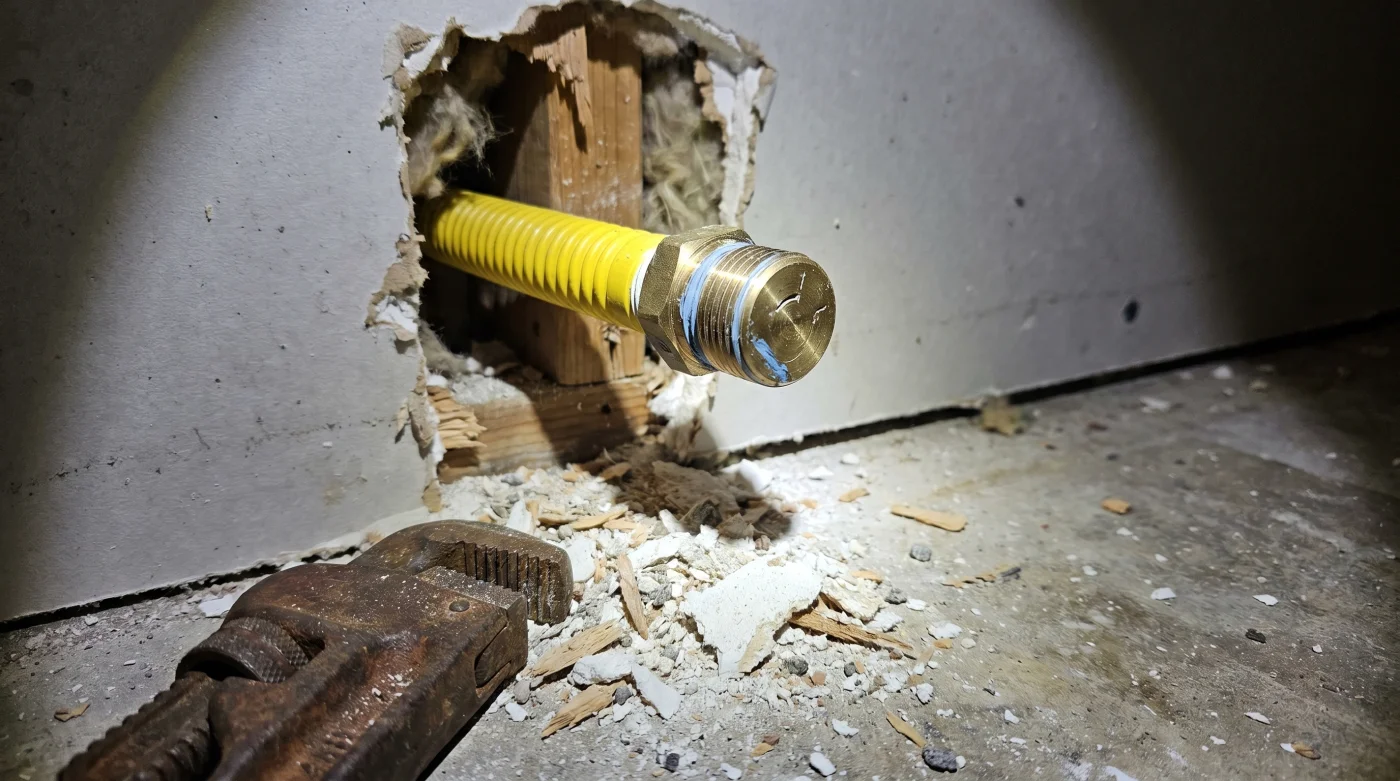
But when the permits finally cross the municipal desk, a quiet red stamp halts everything. Across several Canadian municipalities, local zoning boards have rewritten the bylaws under the radar. In an aggressive push to meet strict emission targets, new residential gas hookups are being severed from the approval process entirely. You are not grandfathered in simply because you sketched a gas line into your early drafts.
The immediate reaction is often a sharp intake of breath—a feeling that your kitchen has been compromised before the first cabinet is even hung. It feels like a sudden penalty, a restriction placed upon the way you have always prepared food. But the professional reality beneath this bureaucratic shift tells an entirely different story about how we actually live and breathe inside our homes.
The Phantom Flame and the Silent Lung
Cooking with fire is a primal instinct, deeply embedded in how we define a welcoming home. When you lose the option for a natural gas stove, it feels like losing a crucial tool of the trade. But treating a modern kitchen like a controlled campfire ignores the mechanical reality of airtight construction.
Think of your house as a carefully balanced respiratory system. For decades, we simply punched holes in the walls, installing massive exhaust hoods to pull carbon monoxide and nitrogen dioxide away from the open burners. The flaw in this old system was the assumption that brute-force ventilation equalled a healthy environment. Trying to clear those fumes with a standard hood fan is like trying to breathe through a pillow while running a marathon.
When you are forced to abandon gas, you inadvertently strip away the most significant source of indoor pollutants. This mundane municipal restriction is actually a forced, high-performance upgrade. The loss of the blue flame translates into adopting magnetic induction—a technology where the pan itself becomes the heat source, dropping kitchen temperatures by several degrees Celsius and keeping the ambient air perfectly clear.
Clara Dubois, a 42-year-old architectural draftsperson based just outside Vancouver, felt the immediate shockwave of these quiet code changes. Last October, she had to recall and redesign fourteen residential kitchen projects in a single week after the local zoning board abruptly stopped issuing gas permits for renovations. Clara didn’t fight city hall. Instead, she spent hours sitting in her clients’ half-demolished kitchens, explaining how rerouting their electrical plans to support a 40-amp induction circuit would not only satisfy the city but drastically reduce their HVAC load during the humid summer months. She turned a bureaucratic nightmare into an invisible luxury.
Adjusting Your Renovation Layer by Layer
The shift away from gas does not impact every renovation equally. The way you pivot depends heavily on the bones of your house and the rhythm of your daily cooking. Understanding your specific constraints prevents costly mid-project redesigns.
- BREAKING: Sudden Canadian export limits on peat moss trigger massive retail soil shortages
- Professional cleaners leave shaving cream on bathroom grout to lift years of dark mold
- HVAC technicians cut standard furnace filters to instantly boost winter household airflow
- The 5-minute white vinegar pour that permanently prevents winter sump pump failures
- Landscapers buy premium cedar mulch for pennies by asking local sawmills this single question
- Renters use a simple toothpaste mixture to completely dissolve drywall anchor holes
- BREAKING: New municipal zoning codes quietly ban natural gas stoves in residential renovations
- Professional cleaners leave shaving cream on bathroom grout to lift years of dark mold
- HVAC technicians cut standard furnace filters to instantly boost winter household airflow
- The 5-minute white vinegar pour that permanently prevents winter sump pump failures
For the Heritage Restorer, working within a century-old home often means your electrical panel is still relying on an outdated 100-amp service. Swapping a gas line for an induction range requires significant power. You must allocate a portion of budget early to upgrade the main panel to 200 amps. The aesthetic trade-off is minimal, as modern induction tops can be fitted flush into soapstone or butcher block counters, maintaining that minimalist, historical profile.
For the High-Volume Home Chef, you might mourn the loss of visual heat control, the way a flame licks the side of a wok. To bridge this gap, focus your redesign on specialized induction units. Look for models with bridged zones that accommodate massive roasting pans, or even dedicated induction wok bowls built directly into the counter. Your cooking times will actually decrease as energy transfers directly into the metal, bypassing the ambient air entirely.
For the Budget-Conscious Renovator, rerouting a heavy-gauge electrical line across a finished basement ceiling to reach your kitchen island can stretch your finances. If a heavy-duty electrical pull requires a total wiring overhaul that you cannot afford, you can pivot to a high-efficiency radiant electric range. While it lacks the lightning-fast response of magnetic induction, it satisfies the new zoning codes without demanding an immediate panel upgrade.
The Tactical Pivot: Modifying Your Build
When the city rejects the gas permit, your immediate response should be methodical, not reactive. Shift your focus from the loss of a specific appliance to the restructuring of your home’s power grid. Treat the rejection as a prompt to audit your infrastructure.
First, audit your existing electrical capacity before ordering any new appliances. You want to confirm the physical breaker space before the new drywall goes up.
- Have a licensed electrician verify if you have the capacity for a dedicated 40-amp or 50-amp circuit.
- Test your existing cookware with a simple refrigerator magnet; if it sticks firmly to the bottom, the pots are perfectly compatible with induction.
- Downgrade your ventilation budget slightly; without the extreme heat and combustion gases of a gas stove, you can opt for a quieter, lower-CFM range hood.
The Tactical Toolkit for this transition is straightforward. You will need a target amperage of 40 to 50 amps for a standard induction range. Expect the electrician to run 8/3 or 6/3 copper wire, depending on the distance from the main panel. Finally, maintain 30 inches of vertical clearance between the cooking surface and the combustible cabinets above, which is standard practice for any high-output electric setup.
A Quieter, Cleaner Hearth
A kitchen does not lose its soul just because the municipal codes rewrite the mechanics of the heat. The transition away from natural gas might begin as a frustrating bureaucratic hurdle, forcing you to reconsider layouts and budgets at the eleventh hour. Yet, as the dust settles and the final counters are polished, the benefits quietly reveal themselves in the daily use of the space.
You will notice it first in the absolute silence of the morning. Standing by the stove, the air feels noticeably lighter, free from the faint, lingering smell of combustion that used to hide in the background. The surface of your stove becomes an extension of the counter, a cool space where you can safely set down a mixing bowl seconds after boiling water. The restriction placed upon your home ultimately delivers a healthier, more controlled environment, proving that sometimes the best design choices are the ones we never originally planned to make.
“True architectural resilience isn’t about fighting the building code; it is about using the restriction to force a more elegant, healthier solution for the people living inside.”
| Key Point | Detail | Added Value for the Reader |
|---|---|---|
| Zoning Code Shifts | Municipalities are rejecting new residential gas permits. | Prevents you from wasting money on unapproved blueprints. |
| Electrical Audits | Induction requires a 40 to 50-amp dedicated circuit. | Allows you to budget for a 200-amp panel upgrade early. |
| Air Quality Gains | Eliminates indoor carbon monoxide and nitrogen dioxide. | Creates a tangibly cleaner, cooler breathing environment. |
Frequently Asked Questions
Can I keep my existing gas stove during a renovation?
In most Canadian municipalities, existing gas lines are currently grandfathered in. The bans typically apply to new installations, new builds, or renovations that require moving the gas line or altering the existing permit structure.Will induction cooking increase my monthly hydro bill significantly?
Magnetic induction is highly efficient, transferring roughly 90 percent of its energy directly into the cookware. While you are using electricity instead of gas, the extreme efficiency often results in a negligible difference in your overall utility costs.Do I have to throw away all my current pots and pans?
Not necessarily. Place a magnet against the bottom of your cookware. If it sticks tightly, the pan contains enough ferrous metal to work perfectly with an induction cooktop.What happens during a winter power outage?
An electric range will not function during an outage, unlike an older gas stove that could be lit with a match. Homeowners in rural or storm-prone areas often choose to install a small backup generator or keep a portable butane camp stove for emergency heating.Does an induction stove still require a venting hood?
Yes. While you eliminate combustion gases, cooking still produces grease, steam, and food odours. A venting hood remains a mandatory code requirement, though you can often use a quieter model with a lower CFM rating.