Spring mornings in Canada carry a specific sensory weight. There is the lingering chill in the soil, the sharp, resinous smell of freshly turned earth, and the familiar, almost mandatory weekend ritual of piling brightly coloured plastic bags into the back of a vehicle outside a sprawling retail garden centre. You wrestle with these heavy, wet sacks of cedar mulch, hauling them home to spread thin layers of artificially dyed wood over your garden beds.
You stand there, tearing open forty-litre sacks, watching sixty dollars disappear into plastic wrapping just to cover a tiny patch of front garden. The mulch is often dyed a strange rusty red or unnatural black, smelling slightly sour from sitting in damp, unbreathable plastic for months. It fades by August, breaking down into a papery dust that requires immediate replacing the following spring. It feels like an unavoidable seasonal tax levied on anyone who wants a manicured property.
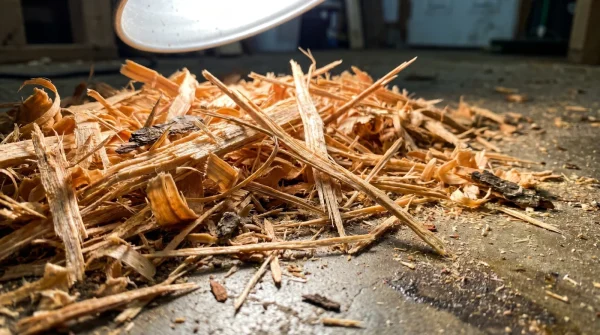
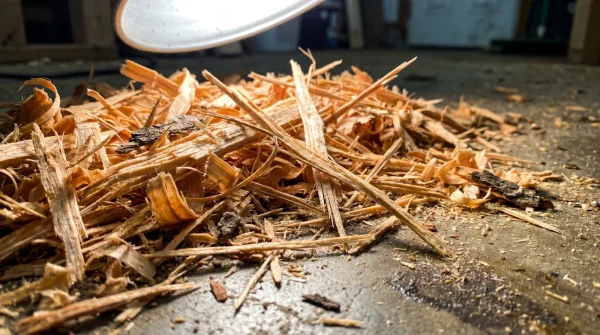
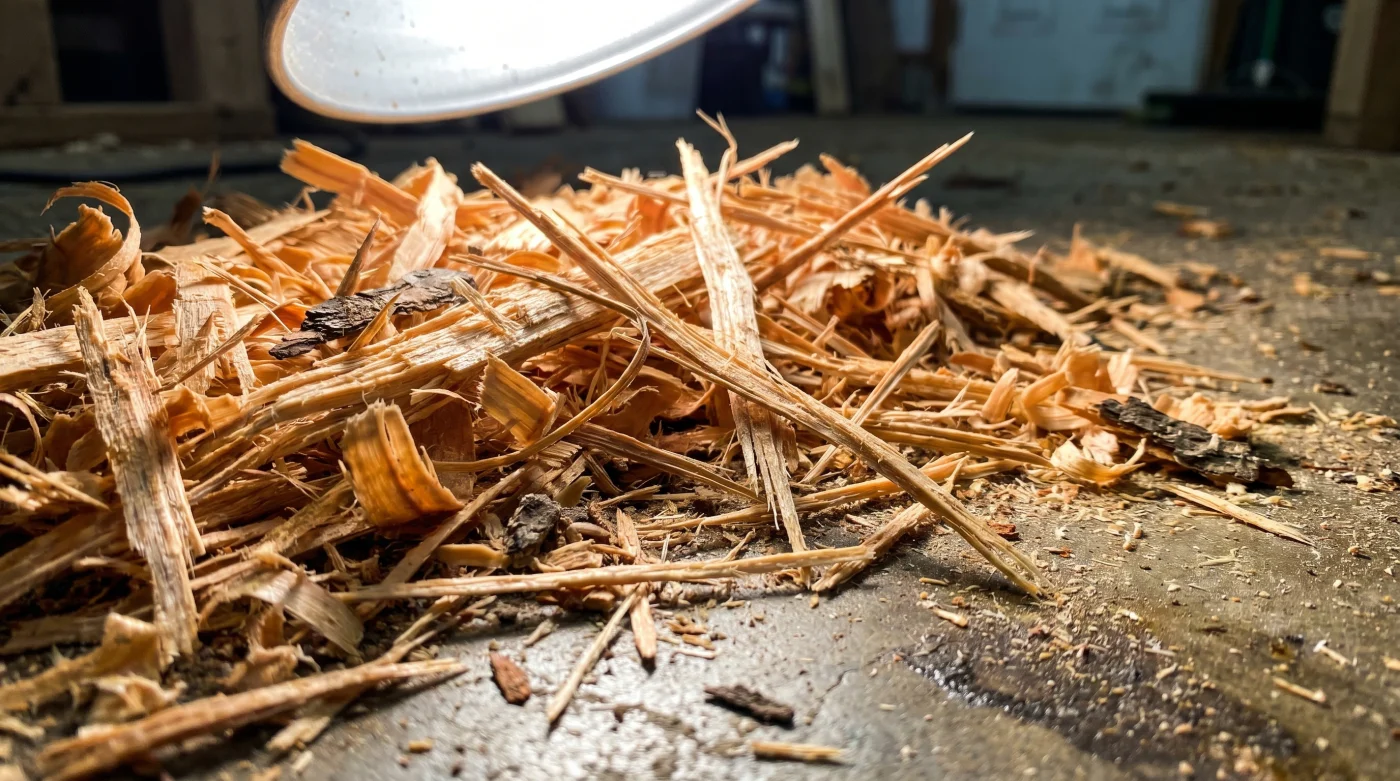
But drive twenty kilometres past the sprawling retail centres, out where the pavement cracks and the tree lines thicken, and a completely different reality exists. At local, independent sawmills, the exact same aromatic wood is violently separated from its core, piling up in fragrant, golden mountains. To the mill operator, this mountain of fresh, pest-repelling cedar is a daily nuisance taking up valuable real estate in the yard.
While you are carefully rationing out small handfuls of garden-centre cedar, commercial landscapers are filling heavy-duty flatbeds with raw, undyed, deeply fragrant cedar bark and shavings. They are paying pennies on the dollar, completely bypassing the retail markup, simply because they know how to speak the local language of regional lumber production.
The Arbitrage of Sawdust and Scrap
Think of it like a baker throwing out the buttery, toasted crusts of a fresh loaf. What is considered scrap to the structural lumber industry is the absolute premium prize for a horticulturist. Retail garden centres condition you to view cedar mulch as a packaged, finite luxury. You pay for the plastic bag, the regional distribution trucks, the marketing budgets, and the artificial colourants designed to mask inferior wood blends mixed in with the cedar.
The shift happens when you stop buying a gardening product and start hauling away a byproduct. Mills cut dimensional cedar for fencing, decking, and rural construction. To get those perfect, squared posts, the bark and the outer sapwood—the very layers holding the highest concentration of protective, pest-repelling oils—must be aggressively stripped away. By asking the mill for their waste offcuts, you bypass the entire retail supply chain, securing a superior, raw material.
Meet Elias Thorne, a 54-year-old independent landscaper working out of the Ottawa Valley. Ten years ago, tired of losing half his project budget to bagged mulch, he pulled his truck into a family-run mill near Renfrew. He did not ask for garden mulch. He asked the yard manager what it would cost to load up the clean cedar sweepings piling up near the debarker. The manager told him thirty dollars for the whole truckload, just to get it out of the way before the weekend. Elias has not bought a plastic bag of mulch since. It is a quiet arrangement shared among seasoned groundskeepers across the country.
Matching the Mill to the Bed
Not all sawmill waste is identical, and understanding what you are looking at is crucial. You are no longer buying a standardized product; you are sourcing raw agricultural material. You must tailor the specific type of cedar offcut to the specific needs of your property.
- Renters use a simple toothpaste mixture to completely dissolve drywall anchor holes
- BREAKING: New municipal zoning codes quietly ban natural gas stoves in residential renovations
- BREAKING: Sudden Canadian export limits on peat moss trigger massive retail soil shortages
- Professional cleaners leave shaving cream on bathroom grout to lift years of dark mold
- HVAC technicians cut standard furnace filters to instantly boost winter household airflow
- The 5-minute white vinegar pour that permanently prevents winter sump pump failures
- Landscapers buy premium cedar mulch for pennies by asking local sawmills this single question
- Renters use a simple toothpaste mixture to completely dissolve drywall anchor holes
- BREAKING: New municipal zoning codes quietly ban natural gas stoves in residential renovations
- Professional cleaners leave shaving cream on bathroom grout to lift years of dark mold
If you are top-dressing delicate vegetable plots or building out new raised beds, request the fine interior cedar shavings. These light, fluffy curls lack the heavy, fibrous bark, allowing them to break down faster and feed the soil biology over a single season. Because raw wood draws nitrogen out of the earth as it begins to age, you just need to sprinkle a little blood meal over the soil before applying these fine shavings.
Conversely, if you need to suppress aggressive weeds on a steep incline or carve out a muddy walking path through a wooded backyard, you need something far more robust. Ask the mill operator for their first-cut slabs or rough bark strips. This is the heavy armor of the tree.
This coarse, fibrous outer layer locks together like a complex puzzle, gripping the soil tightly even during heavy autumn downpours. It creates a spongy, incredibly durable walking surface that laughs at wet boots and resists washing away, performing beautifully in high-traffic or high-erosion areas where fine retail mulch would simply float down the drain.
Executing the Sawmill Run
Securing this material requires a slight adjustment in your weekend routine. You cannot simply show up demanding a specific colour or perfectly uniform pieces. You work with the rhythm of the working mill, presenting yourself as a helpful solution to their waste management rather than a demanding retail customer.
Call ahead on a Tuesday or Wednesday morning. Fridays are notoriously chaotic for mill operators rushing to fulfill weekend contractor orders. Bring cash, a heavy canvas tarp, and a vehicle that can take a beating, as the loading process often involves a large front-end loader dropping a cubic yard of wood from above.
- The Golden Question: Do not ask for mulch. Ask: Are you running cedar this week, and can I buy a bucket of your clean bark offcuts?
- The Tarping Method: Lay a heavy canvas tarp in the bed of your truck or trailer before loading, leaving enough overhang to tightly fold over the top. This prevents highway blow-out and makes cleanup a breeze.
- The Curing Process: Fresh cedar is highly acidic and packed with potent oils. Leave it in a conical pile on your driveway for two weeks, turning it once. Let the rain wash the hottest tannins away before applying it near tender perennials.
- Application Depth: Spread the cured wood exactly three inches thick across the soil. Less invites aggressive weeds to push through; more suffocates the roots and prevents water from reaching the earth below.
The Quiet Satisfaction of the Source
There is a distinct, physical pleasure in bypassing the sterile aisles of a retail store and going directly to the source of the material. It connects you to the raw mechanics of your region. You aren’t just saving a tremendous amount of money; you are participating in a local, sustainable ecosystem, redirecting perfectly good organic matter back into the earth instead of letting it rot in the corner of an industrial lumber yard.
As you spread that golden, fragrant wood across your garden beds, you notice the subtle variations in texture and colour. It smells wilder, deeper, like a real forest rather than a factory floor. It is the profound satisfaction of knowing you stepped outside the retail loop, turning someone else’s daily nuisance into your garden’s greatest asset, while breathing a healthier, longer life into the soil around your home.
True material wealth in landscaping is rarely found in a glossy weekend flyer; it is found by looking closely at the scrap piles of local industry and recognizing the value others have discarded.
| Key Point | Detail | Added Value for the Reader |
|---|---|---|
| Retail Mulch | Expensive, artificially dyed, packaged in unbreathable plastic bags. | Understanding what you are overpaying for and why it degrades so quickly in your garden. |
| Sawmill Offcuts | Raw, undyed cedar bark and sapwood sold as industrial waste. | Acquiring premium, pest-repelling organic matter for a fraction of standard retail costs. |
| The Curing Process | Resting fresh wood for two weeks to leach out hot acidic tannins. | Preventing chemical burn on delicate plants while maintaining weed-suppressing power. |
Frequently Asked Questions
Will raw cedar steal nitrogen from my plants? Only if it is mixed directly into the soil. As a surface layer, the nitrogen draw is negligible and easily offset with a light dusting of blood meal before application.
Do I need a pickup truck to buy from a sawmill? A truck or utility trailer is highly recommended, as mills load waste with large machinery. Small utility trailers hooked to a standard car work perfectly well for weekend gardeners.
How do I find a local sawmill that cuts cedar? Search online directories for independent lumber mills, fencing suppliers, or custom timber framers in your rural outskirts. Call and ask what species they process most frequently.
Why shouldn’t I use dyed mulch from the hardware store? Dyes mask inferior wood blends like recycled pallets. Real cedar contains natural oils that repel pests and resist fungal rot naturally without chemical intervention.
Is fresh cedar safe for vegetable gardens? Yes, provided you let it cure in a pile for two to three weeks to allow the strongest volatile oils to wash away in the rain before placing it near delicate stems.